SEO vs AEO: How to Make Your Website Visible in AI Search
AEO does not replace SEO. Learn how content, technical structure, authority, and measurement support visibility in AI-generated answers.
June 1, 2026
Search visibility is no longer limited to a list of blue links.
People now ask questions through Google AI Overviews and AI Mode, ChatGPT, Claude, Gemini, and Perplexity. These systems may answer directly, summarize several sources, or recommend companies without the user visiting a traditional search results page first.
This has created a new term: answer engine optimization, usually shortened to AEO.
AEO does not make SEO obsolete. The strongest AEO foundations are still the foundations of good SEO: crawlable pages, useful content, clear structure, authority, internal links, and accurate technical implementation.
What is AEO?
Answer engine optimization is the practice of making a brand and its content easier for AI-powered discovery systems to understand, retrieve, trust, and cite.
Traditional SEO often evaluates visibility through rankings, impressions, clicks, and organic conversions. AEO adds questions such as:
- Does the brand appear in AI-generated answers?
- Which topics is the website cited for?
- Which pages are AI crawlers accessing?
- Is the company described accurately?
- Does traffic from AI tools convert after reaching the site?
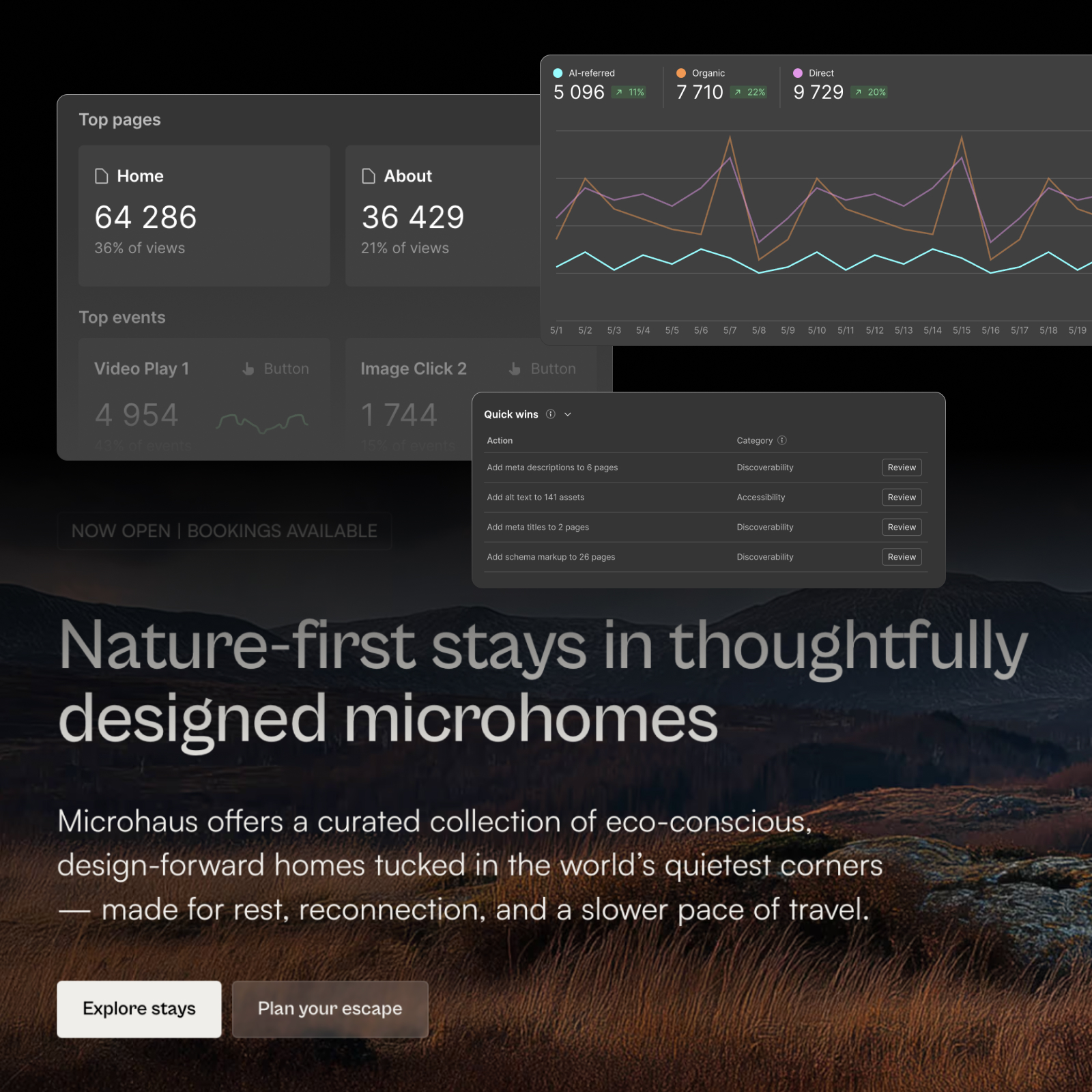
Webflow now provides AEO analytics for eligible Enterprise customers, including prompt visibility, citations, LLM crawler activity, and AI-referred visitor behavior. The current capabilities are described in the Webflow AEO analytics documentation.
SEO and AEO overlap more than they differ
It is tempting to describe SEO and AEO as separate disciplines. In practice, they share most of the same foundations.
Google explicitly states that its existing SEO best practices remain relevant for AI Overviews and AI Mode, and that no special schema or machine-readable AI file is required for inclusion. See Google's official guidance on AI features and websites.
That means businesses should not abandon sound SEO work in pursuit of speculative “AI hacks.”
A technically inaccessible page will not become visible merely because it contains a concise answer. Generic AI-generated articles will not create authority merely because they are formatted as questions and answers.
What AI discovery systems need from a website
Accessible, crawlable content
Important information should exist in indexable HTML text. It should not depend entirely on images, inaccessible scripts, or interactions that crawlers cannot reliably process.
Robots directives, canonical tags, redirects, and CDN rules should not accidentally block the pages the business wants discovered.
Clear information hierarchy
Descriptive headings help readers and retrieval systems understand the purpose of each section.
A page should have a clear primary topic, followed by sections that answer related questions logically. Headings should describe the information beneath them rather than function as vague marketing slogans.
Specific, evidence-based content
Generic advice is easy to reproduce and difficult to attribute.
Original project details are more valuable:
- What problem did the client have?
- What constraints affected the decision?
- What process was used?
- What changed after implementation?
- What failed or required compromise?
Google's current guide to generative AI search recommends creating non-commodity content with unique expert or experienced insight rather than publishing high volumes of interchangeable information. See the official generative AI optimization guide.
Consistent entities and relationships
The website should describe the organization consistently: company name, services, locations, industries, authors, and areas of expertise.
Structured CMS collections help maintain that consistency. A service should exist as a reusable entity connected to relevant case studies, articles, testimonials, and industries rather than being described differently on every page.
Structured data that matches visible content
Schema markup can clarify context for search engines, but it must represent information users can actually see on the page.
Useful structured data may include:
- Organization
- Person or ProfilePage for authors
- BlogPosting or Article
- BreadcrumbList
- Service, where implementation is appropriate
- LocalBusiness for eligible local organizations
There is no universal “AEO schema” that guarantees citations. Structured data supports understanding; it does not replace valuable content or authority.
Strong internal linking
Internal links help crawlers and users find related pages and understand their relationships.
An article about Webflow CMS should link to the relevant development service and supporting case studies. A service page should link back to useful guides. An industry page should connect to relevant work and insights.
Use descriptive anchor text rather than vague labels such as “click here.”
Create topical depth, not isolated articles
One article rarely establishes meaningful authority around a broad subject.
A stronger strategy builds a connected set of resources around the questions buyers ask at different stages.
For a Webflow agency, a topic cluster might include:
- When Webflow is the right platform.
- How Webflow compares with custom development.
- How CMS architecture affects scalability.
- How to structure a clean Webflow build.
- How performance optimization works.
- How SEO migration should be handled during redesign.
- How marketing teams manage the site after launch.
Each article should answer a distinct question and connect naturally to relevant services, case studies, and other supporting resources.
Write answers that are useful outside the search result
A concise answer near the beginning of a section can help readers understand the main point quickly. The rest of the section should provide the evidence, nuance, and practical detail behind it.
Useful answer-oriented writing tends to:
- State the conclusion directly.
- Define unfamiliar terms.
- Use descriptive headings.
- Separate distinct questions into distinct sections.
- Include concrete examples.
- Avoid unsupported claims.
- Keep important facts current.
This is not about chopping every paragraph into artificial “AI-friendly chunks.” It is about making information understandable.
Strengthen authorship and trust
Readers and search systems should be able to identify who created the content and why that person is credible.
Each article should include:
- A visible author name.
- A short biography or linked author page.
- Relevant professional experience.
- Publication and modification dates.
- Links to real case studies or supporting evidence.
Google supports Article and BlogPosting structured data with author information, publication dates, modification dates, headline, and images. Its Article structured data documentation recommends linking the author to a page that identifies them clearly.
For Igorev, articles should connect the author's advice to the agency's real experience and operating approach.
Maintain the technical foundation
AEO strategy will not compensate for a site that is difficult to crawl or use.
Review:
- Indexability and robots rules.
- XML sitemap coverage.
- Canonical URLs.
- Redirect chains and broken links.
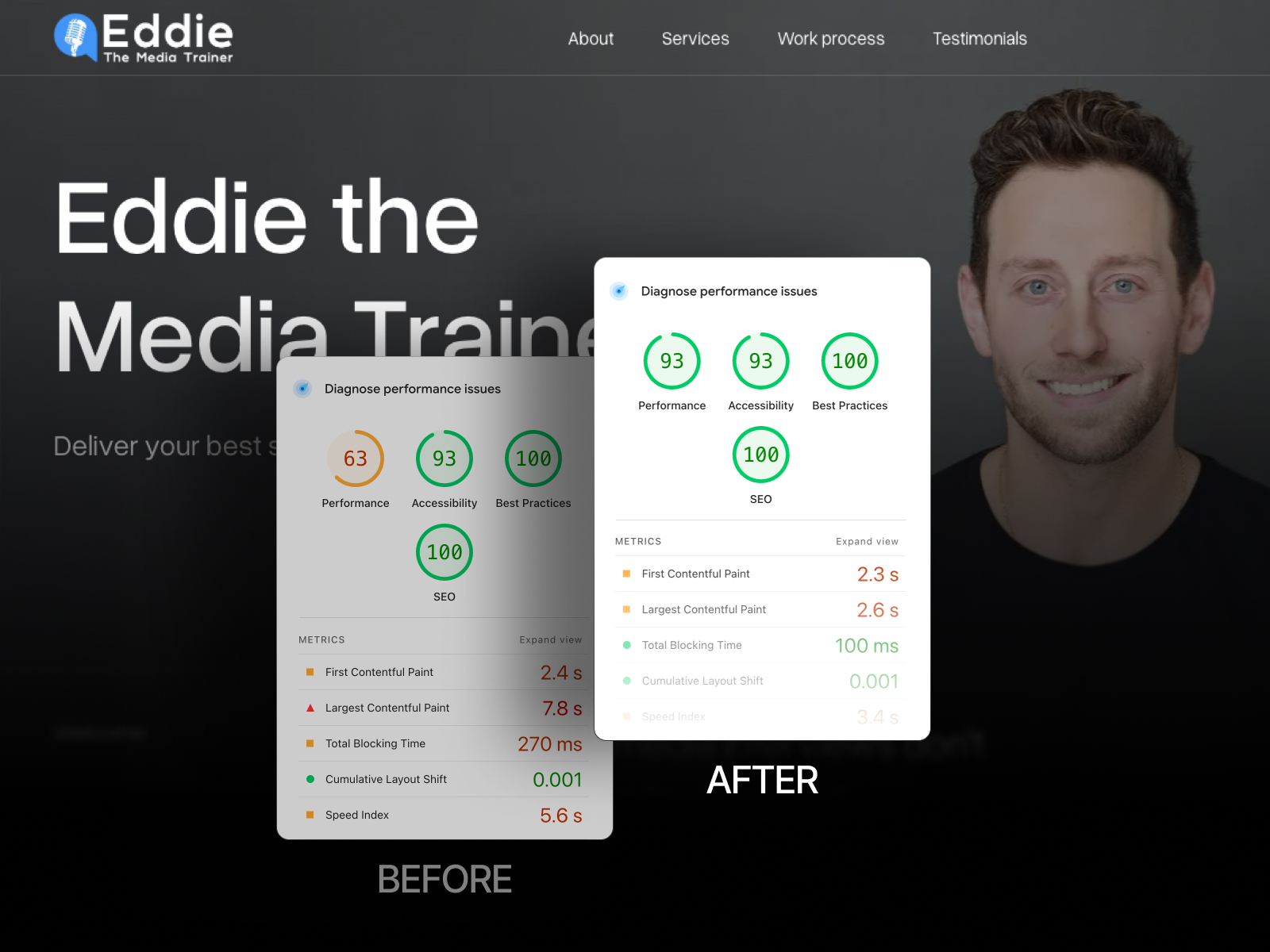
- Mobile performance and Core Web Vitals.
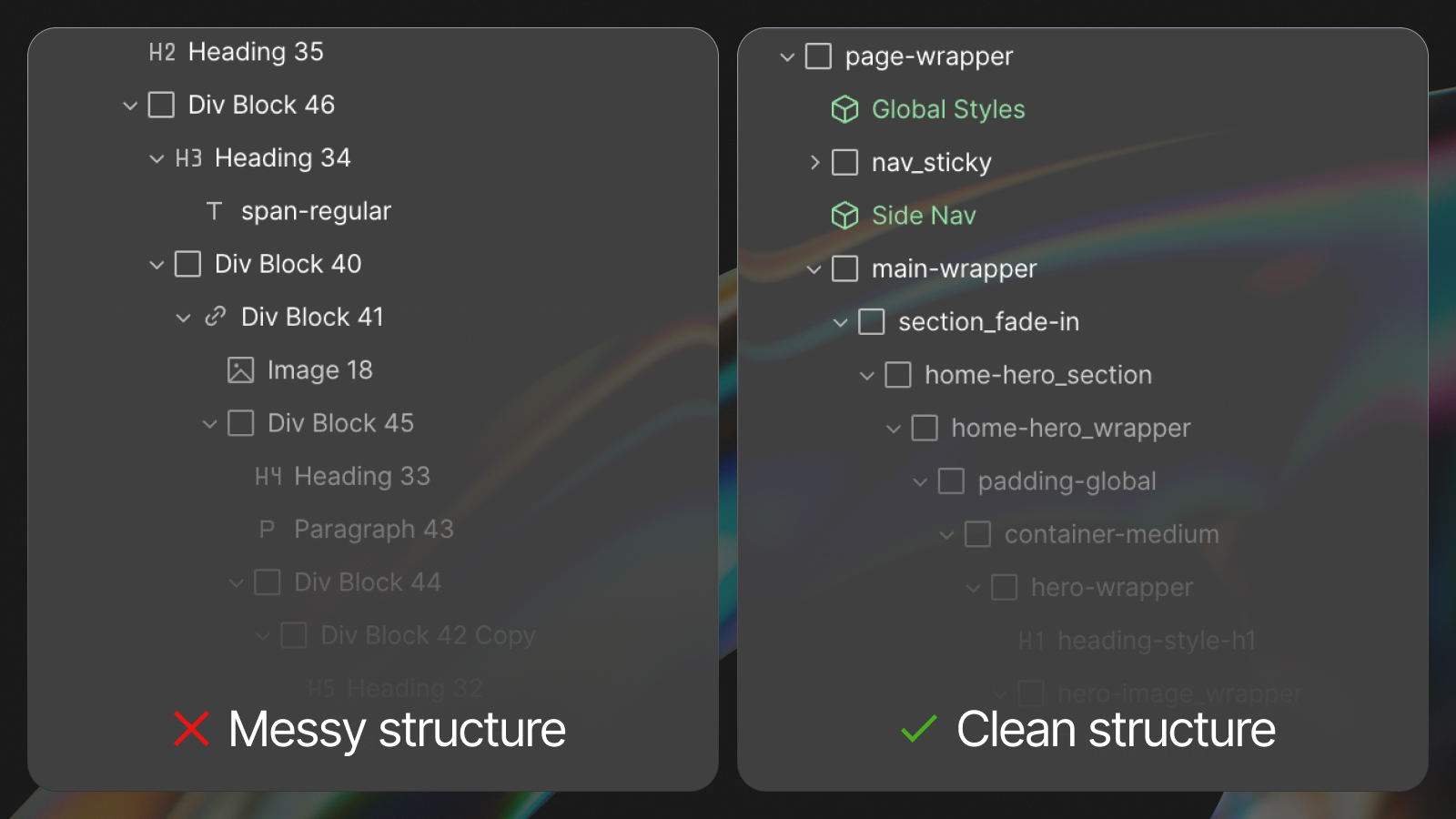
- Semantic headings.
- Image alt text.
- Structured data validity.
- Internal link depth.
- Duplicate or thin pages.
These are normal technical SEO responsibilities. They remain relevant because AI search systems still depend on discoverable, interpretable web content.
How to measure AEO visibility
Measurement is still evolving and differs by platform.
Useful indicators include:
- Mentions and citations for tracked prompts.
- AI crawler activity.
- Referral traffic from AI tools.
- Conversions from AI-referred sessions.
- Growth in branded search.
- Organic visibility for the underlying topics.
Google currently includes traffic from AI Overviews and AI Mode within overall Search Console reporting rather than providing a complete separate performance report for every AI surface.
Webflow's Enterprise AEO analytics adds platform-specific prompt and crawler measurement, but no single dashboard can prove complete visibility across every model and every personalized answer.
Common AEO mistakes
- Publishing large volumes of generic AI-generated articles.
- Adding unsupported statistics to appear authoritative.
- Creating FAQ sections that repeat the page without adding value.
- Using schema that does not match visible content.
- Ignoring crawlability and internal linking.
- Treating an
llms.txtfile as a substitute for SEO. - Optimizing for citations while neglecting conversion after the click.
- Measuring prompt mentions without checking whether the brand is described accurately.
A practical SEO and AEO workflow
- Collect real questions from sales calls, clients, and search data.
- Map each question to a clear page or article.
- Write the direct answer, then add experience, evidence, and nuance.
- Connect the content to relevant services and case studies.
- Add descriptive internal links.
- Implement accurate metadata and structured data.
- Confirm the page is crawlable and included in the sitemap.
- Promote the content through channels where the target audience already participates.
- Measure search visibility, citations, referral traffic, and conversions.
- Update the article when the underlying facts or platform behavior changes.
The goal is to become a credible source
SEO remains essential. AEO extends the same work into a discovery environment where users may receive synthesized answers before they choose a website.
The durable strategy is not to manipulate a particular model. It is to publish information that is specific, structured, technically accessible, connected to real expertise, and useful enough to deserve citation.
That principle shapes our website strategy and development work: clear information architecture, scalable CMS systems, strong technical foundations, and evidence from real projects.